Monthly Rent, Management Fees, and Labor Costs: How Card Payment Services Are Changing the Way Koreans Handle Regular Expenses
Paying rent, building management fees, and staff wages has traditionally meant moving cash out of your account every single month. For many households and small business owners, that rhythm can put serious pressure on liquidity. A new category of card payment intermediary services is quietly reshaping these habits, letting people use credit or debit cards for expenses that were once cash-only. This article breaks down how each service works, who benefits most, and what to watch out for before signing up.
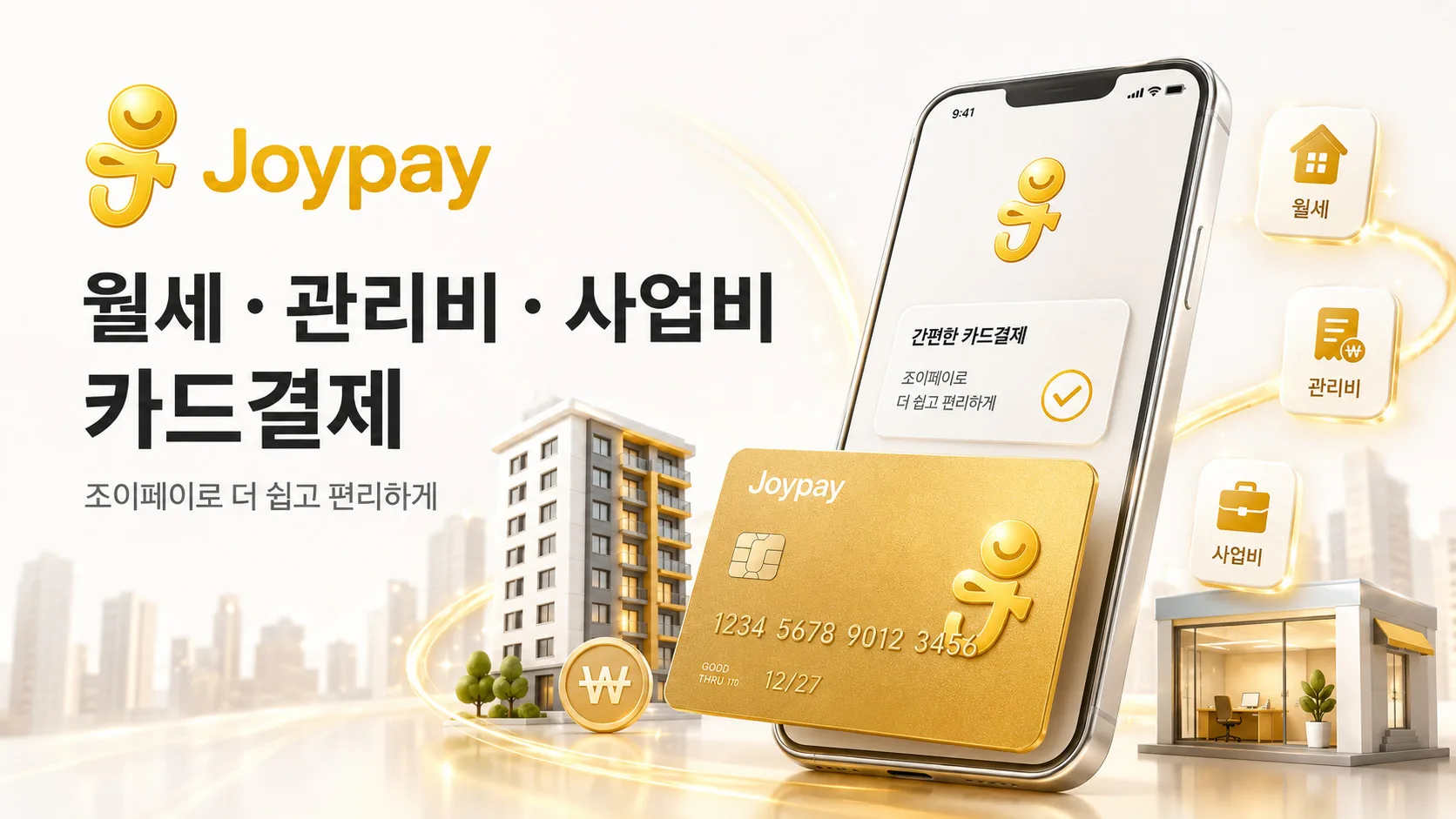
Why Cash-Only Payments Have Always Been a Problem
Rent and management fees are fixed, recurring obligations. They arrive on a predictable date regardless of whether your own income has landed yet. For renters, this means carefully timing bank transfers so the account does not run short. For small business operators, the same logic applies to monthly wages and freelance service fees. A single delayed client payment can cascade into missed obligations across the board. Card payment intermediary services exist precisely to break that chain by inserting a short credit window between the due date and the actual cash outflow.
Understanding the Three Core Services
월세카드결제 — Paying Monthly Rent by Card
Landlords in Korea almost universally expect rent via direct bank transfer. They have no card terminal and no desire to set one up. A payment agency steps in as the bridge: the tenant pays the agency by credit or debit card, and the agency forwards the equivalent cash amount to the landlord’s account. The tenant gains the card’s billing cycle as breathing room, plus any reward points or cashback the card offers. You can learn more about how this works through 월세카드결제 platforms that handle the entire process digitally, usually within one business day.
관리비 카드결제 — Covering Building Management Fees by Card
Apartment and officetel residents receive a monthly management fee bill covering items like elevator maintenance, cleaning, security, and utility commons. While some large complexes have begun accepting cards directly, many smaller buildings still rely on bank transfer only. Card payment services fill this gap in the same way they do for rent: the resident charges the fee to their card, and the intermediary settles the bill on their behalf. Residents who use reward-heavy credit cards can accumulate meaningful points on an expense they were already going to pay regardless.
인건비 카드결제 — Settling Staff Wages and Service Fees by Card
For business operators, payroll and outsourced labor costs represent some of the largest recurring cash outflows each month. A card payment intermediary allows the operator to charge these amounts to a corporate or personal credit card, effectively pushing the actual cash settlement to the card’s payment date. This can be a genuine lifeline during periods of slow receivables, giving the business several additional weeks of working capital without resorting to short-term loans.
Key Benefits at a Glance
- Improved cash flow management by aligning payment outflows with card billing cycles rather than immediate bank transfers
- Accumulation of credit card reward points or cashback on large, fixed monthly expenses that would otherwise earn nothing
- Reduced risk of missed payments during temporary income gaps, since the card covers the obligation on time even when the bank balance is low
- Fully digital processes that require no cooperation from the landlord, building manager, or wage recipient
Comparing the Three Services Side by Side
| Service Type | Who Uses It | Typical Fee Range | Main Benefit |
|---|---|---|---|
| Monthly Rent Payment | Residential and commercial tenants | 1.5% – 2.5% of rent amount | Cash flow flexibility and card rewards |
| Management Fee Payment | Apartment and officetel residents | 1.0% – 2.0% of fee amount | Points accumulation on a fixed expense |
| Labor Cost Payment | Small business operators | 1.5% – 3.0% of wage total | Extended working capital without borrowing |
Things to Consider Before You Start
The intermediary fee is the most important number to evaluate. If your credit card offers 1% cashback but the service charges 2%, you are net negative on rewards alone. The calculation changes if your primary goal is cash flow rather than rewards, since the cost of a short-term loan or overdraft may well exceed the intermediary fee. Always compare the fee against your card’s benefit rate and your realistic alternatives before committing.
Verification of the intermediary platform is equally important. Look for services that are registered with the relevant financial authorities, have transparent fee disclosures, and clearly state how quickly the recipient receives funds. Reputable platforms will settle to the landlord or payee within one to two business days and provide a digital receipt for every transaction.
Who Gets the Most Value from These Services
Freelancers and self-employed individuals with irregular income cycles benefit most from rent and management fee card payment services. Small business owners managing tight monthly cash positions find labor cost card payment particularly useful during slow seasons. Even salaried renters can benefit if their payday falls after their rent due date, since a card payment buys the necessary gap without any awkward conversations with the landlord.
As these intermediary services become more widely known, they are gradually normalizing the idea that fixed, recurring obligations do not have to mean fixed, recurring cash outflows on a rigid schedule. Used thoughtfully and with full awareness of the associated fees, card payment services for rent, management fees, and labor costs represent a practical financial tool for modern urban life in Korea.